

On Friday July 17 Prime Minister Designate Vasile Tofan announced his proposed cabinet of ministers. He followed this by releasing a detailed program for governance before presenting both the cabinet and program to parliament for a vote of confidence on Tuesday July 21. After gaining the confidence of parliament, Prime Minister Vasile Tofan was sworn in on Wednesday July 22 by President Maia Sandu.
Today we’re going to look at the new cabinet - who’s in, and who’s out - as well as the vote of confident and parliamentary debate. In a future, subscriber only article, we will look at Prime Minister Tofan’s program in depth. Running over 147 pages it is both ambitious, unusual and deserves a deep dive in itself.
Meet the Ministers
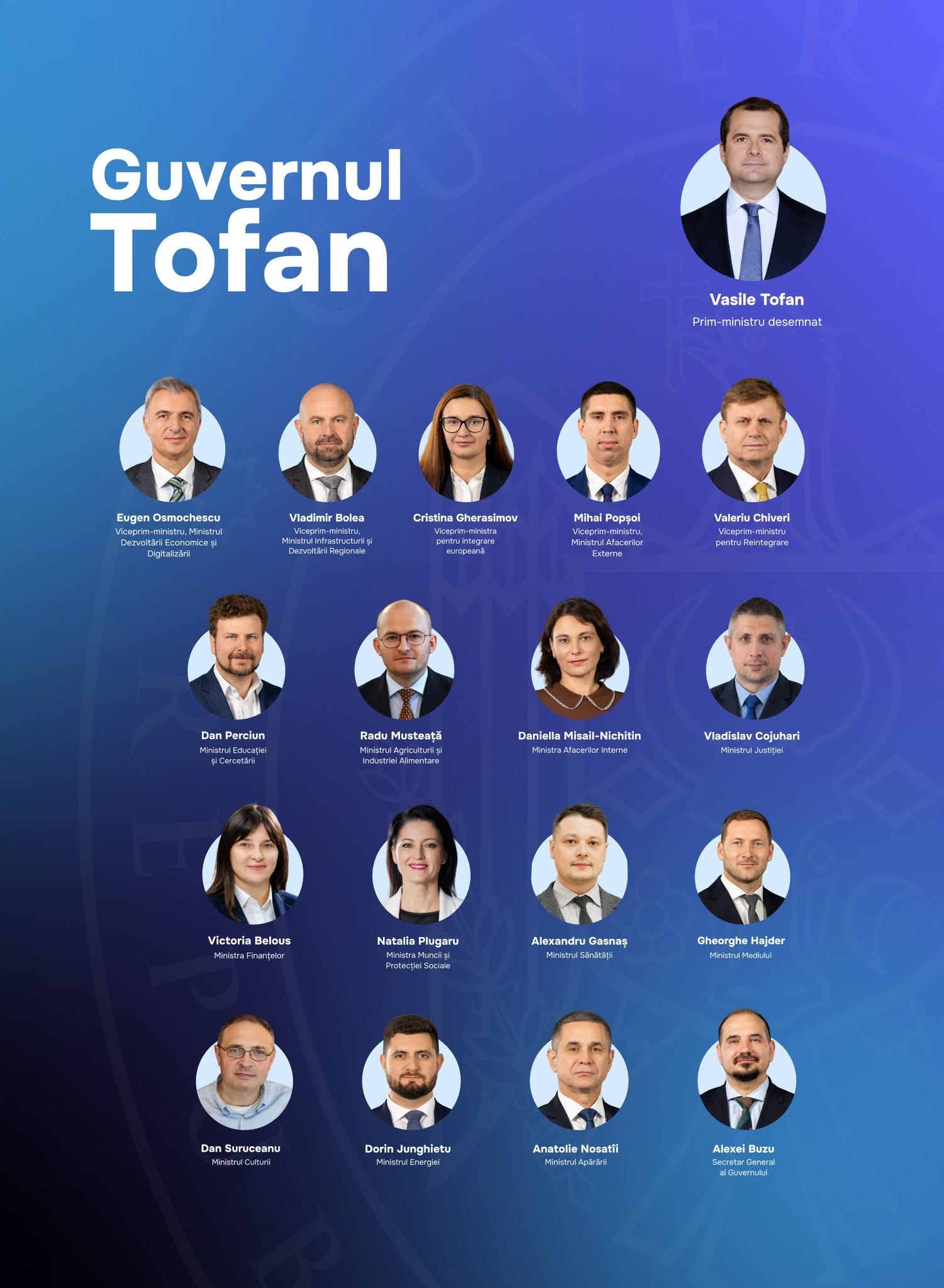
While Tofan has come in with a major shift in tone and priorities, he is largely keeping the same team of ministers assembled by former Prime Minister Munteanu. No changes have been made to the key security and foreign affairs portfolios - and the changes that have been made largely prioritize experience and continuity rather than radical shifts.
Minister of Finance
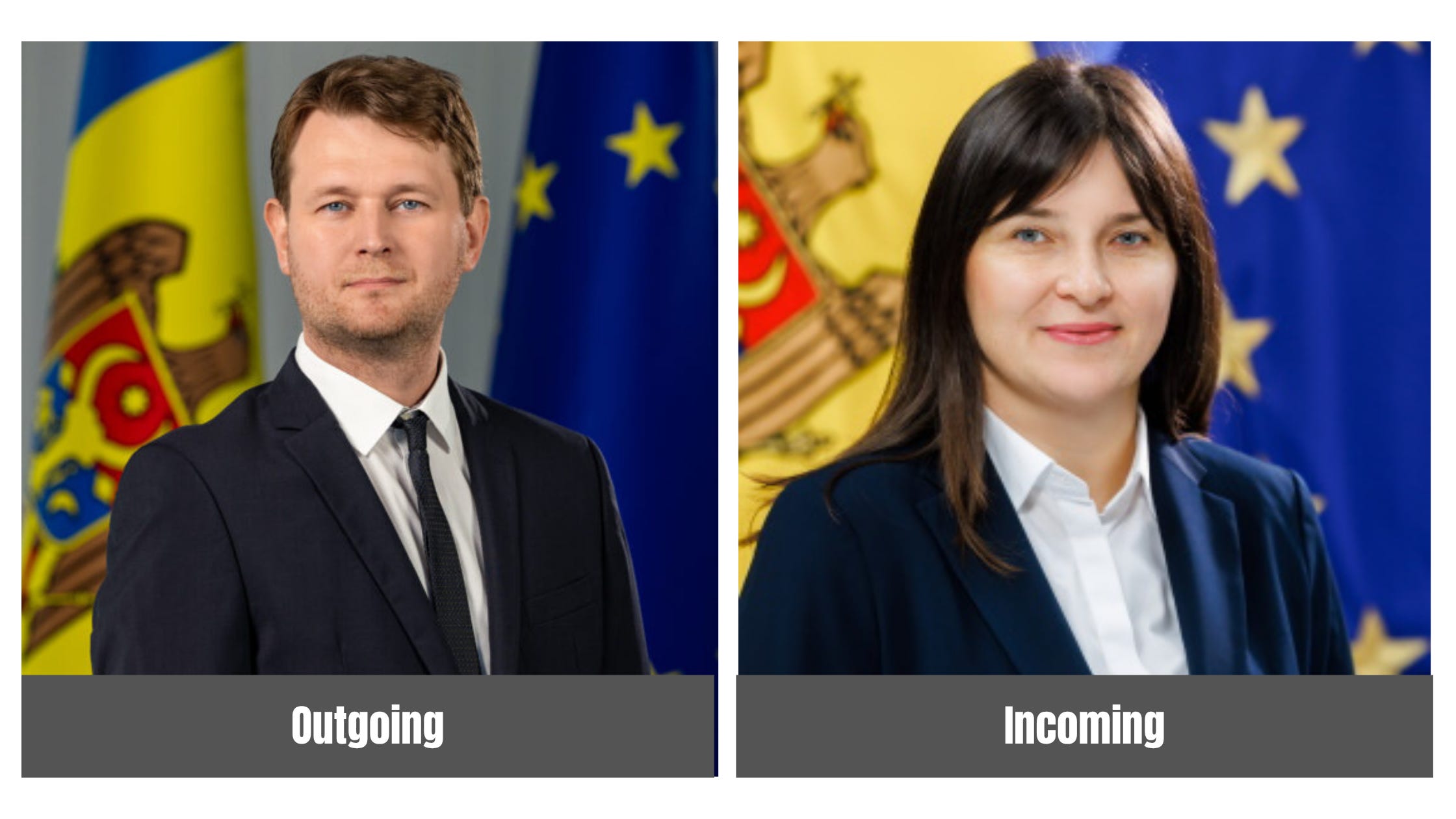
Victoria Belous will return to the position of Minister of Finance. She previously held the office from July 2024 - November 2025 when she departed after having been elected to parliament. Andrian Gavriliță was appointed to the Ministry. Belous will now leave parliament and replace Gavriliță.
Prior to becoming Minister the first time, Victoria Belous worked for 17 years in the State Tax Service, working her way up through the ranks. Previously as Minister, her profile had been something of a studious technocrat and supporter of the status quo. In parliament, her profile shifted dramatically as she became a vocal proponent for reform and one of the most articulate members of the PAS faction on economic and fiscal issues. Last month, when MP Radu Marian stepped down as Chairman of the Parliamentary Committee for Economy, Budget and Finance she took his place.
Andrian Gavriliță wrote a long facebook post after the change was announced writing “Unfortunately, being a minister is more than just theory, figures, understandings with the IMF, and rational decisions. It’s a deeply political role.” Referencing the tax reform that he championed, he blamed personal mistakes as well as very bad timing - referring to the MoldATSA scandal among others - for the media storm surrounding his last month in office.
Minister of Agriculture
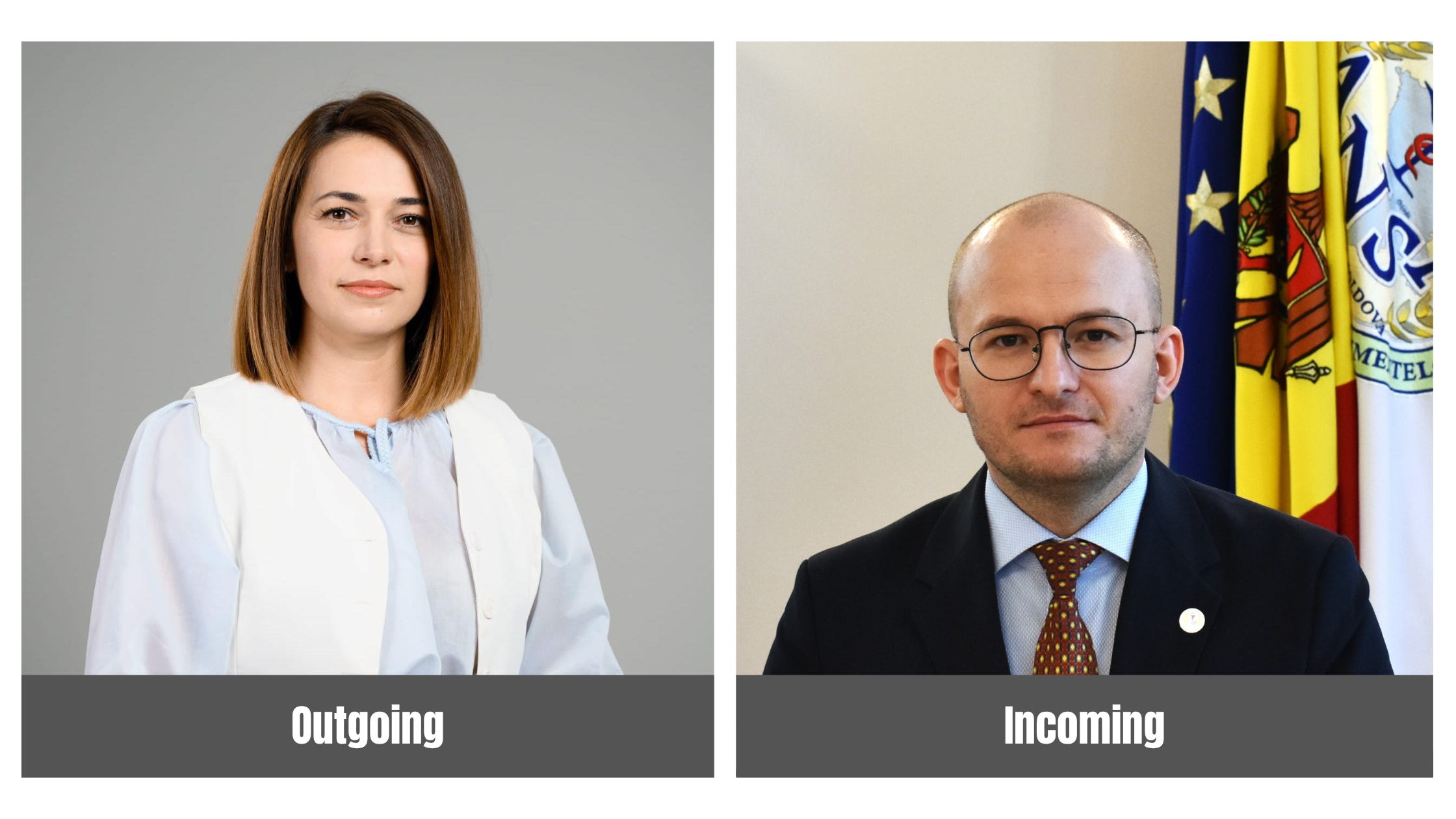
Ludmila Catlabuga, who has led the Ministry of Agriculture since November 2024, will be replaced with Director of the National Food Safety Agency (ANSA) Radu Musteața. After graduating from the State University of Moldova with a bachelors in Chemical Technology and Biotechnology and a masters in Environmental Protection, Radu Musteața joined ANSA in 2013 and has held various positions before becoming the director in 2021.
Ludmila Catlabuga departed expressing hope “that the relationship and communication between the ministry and people in agriculture be no worse than the one we managed to build.”
Minister of Health
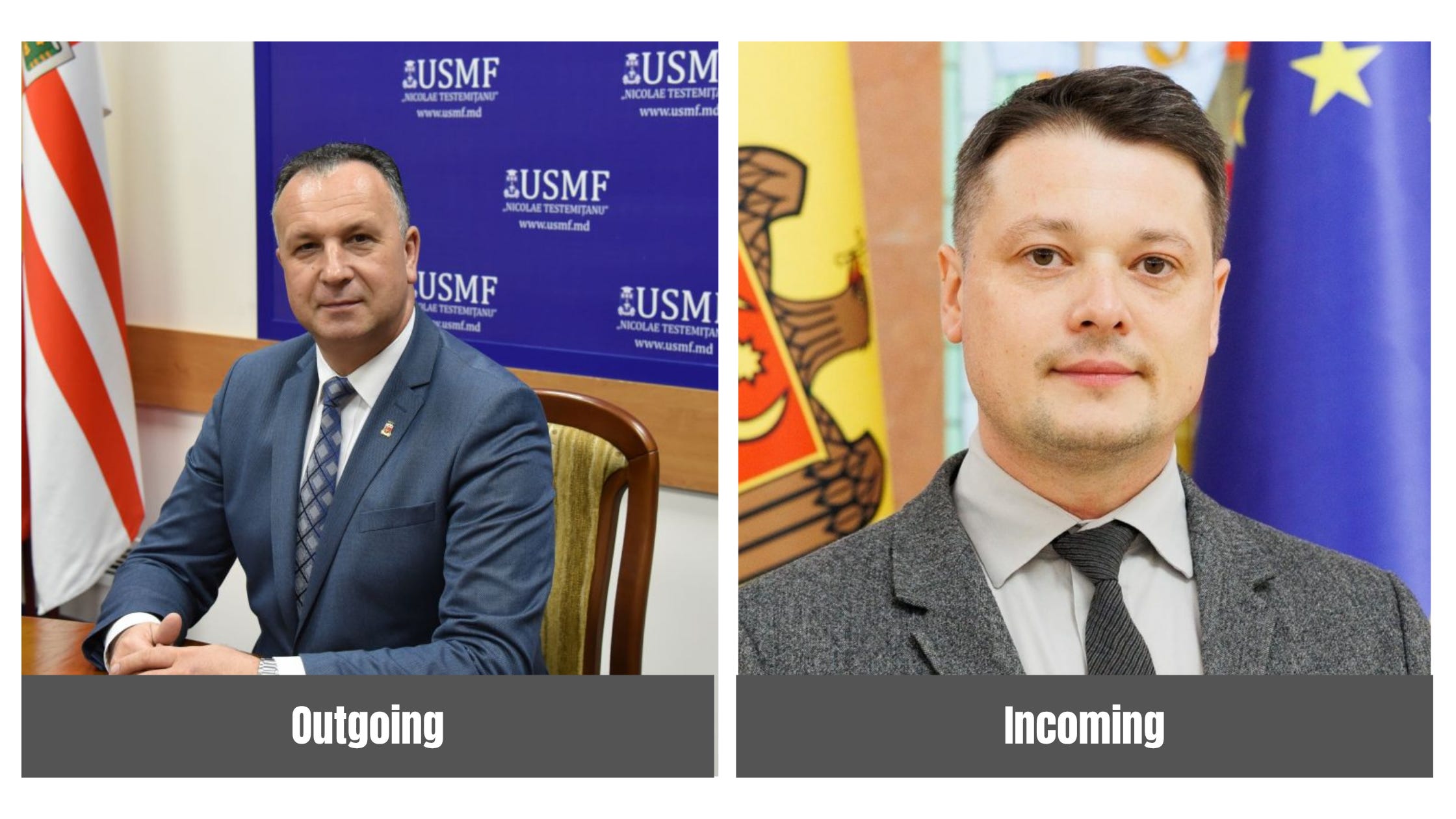
Alexandru Gasnaș will replace Emil Ceban as Minister of Health. Gasnaș had previously served as advisor to President Sandu in the field of health and as a State Secretary in the Ministry of Health. He is a neurologist, who has been both an associate professor at the Nicolae Testemițanu State University of Medicine and Pharmacy, and headed the department of Neurology, Internal Diseases and Epileptology at the Institute of Emergency Medicine.
Emil Ceban will return to the position of Rector of the Nicolae Testemițanu State University of Medicine and Pharmacy.
Minister of Culture
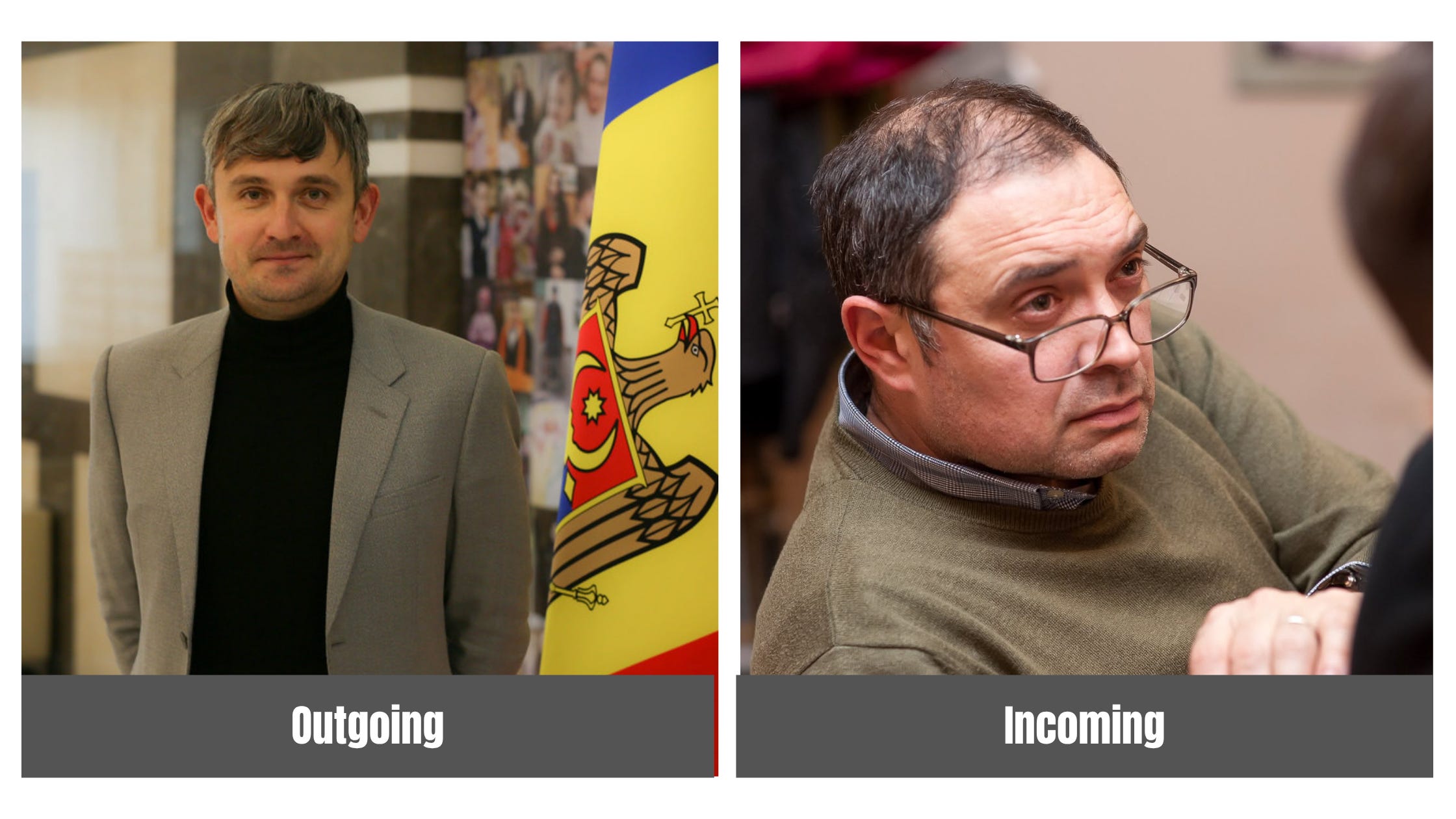
Dan Suruceanu will replace Cristian Jardan as Minister of Culture. Suruceanu has been the deputy administrator of the Chisinau Arena since 2023 and prior to that worked for at least some of his career at the National Museum of Arts1.
Presenting the Cabinet and Program in Parliament
On Tuesday July 21 Vasile Tofan led his proposed cabinet of ministers to parliament to present their governing program and ask for a vote of confidence from the legislature.
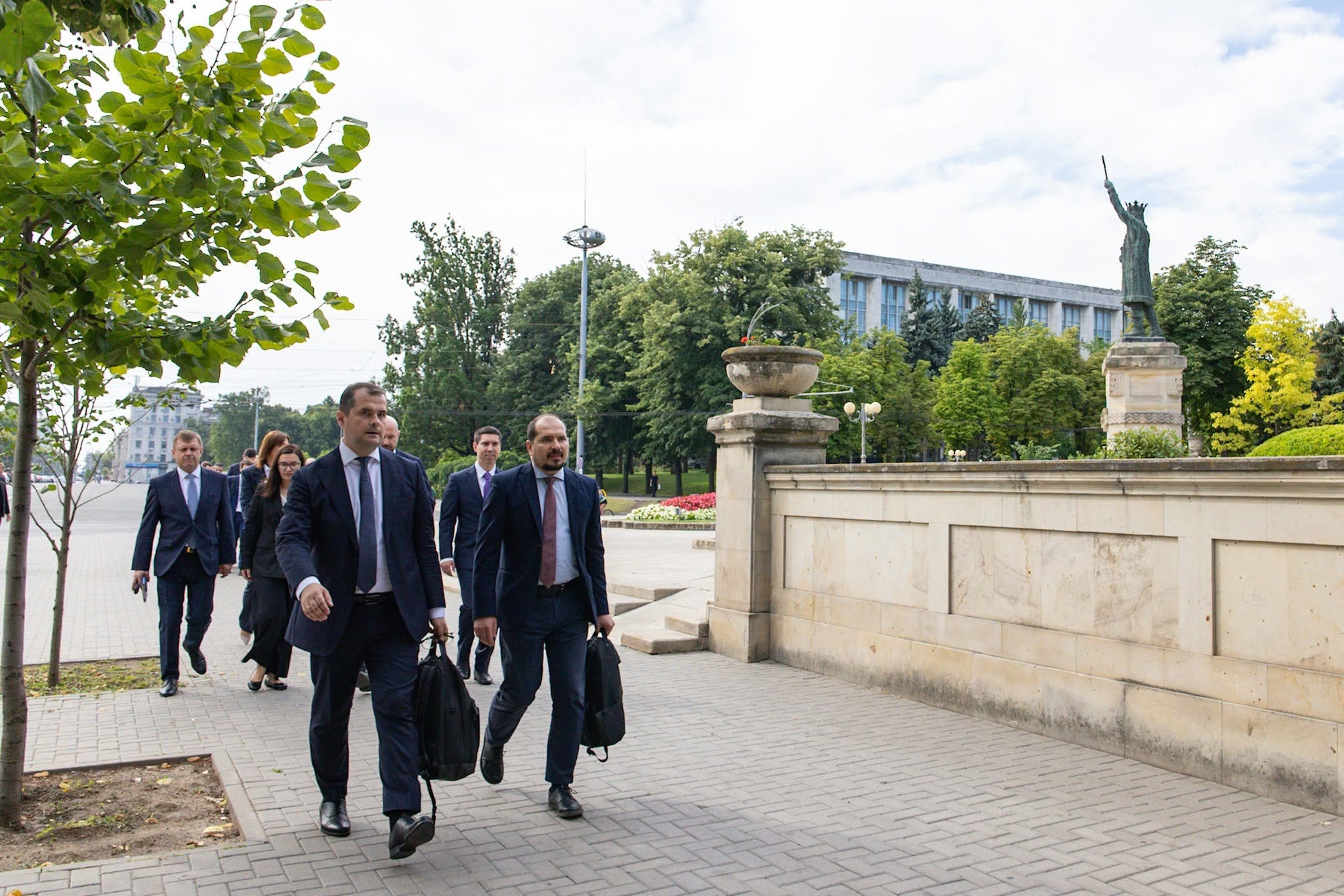
In parliament, Vasile Tofan started by stating the challenges ahead and noting that “There is no point in denying that we are going through a crisis.” He noted that the country faces simultaneous economic and political tensions but that there is a “single window of opportunity” in the coming years. He stated:
“I want us to find the balance between the necessary changes and the stability of the foundation together. Let’s make capital repairs, but let’s not shake the walls. We are not the first country to go through such challenges. Other small countries – Ireland, Estonia, New Zealand – have had such complicated moments and emerged victorious from them. I know that any comparison is not perfect, but such examples encourage us.”
Tofan went on to structure his address to the deputies around the 5 priorities outlined in his program of government.
Priority 1. Relaunching economic growth
He spoke of anemic GDP growth, ballooning imports and shrinking exports and “enormous” challenges including…
“… a small internal market, a declining population, a labor shortage, insufficient capital, an agriculture vulnerable to drought, and an economy that exports too much raw material and too little added value.”
Tofan stated that the government’s starting priority is to “bring back confidence” because “Pessimism is the most dangerous disease of an economy.”
Priority 2. Accelerating accession to the European Union
“The objective of the mandate is to be ready to complete the negotiations and prepare for the signing of the Accession Treaty by the end of 2028”
Tofan once again centered the goal of being prepared to join the EU in 2028. He stressed the need to open all negotiating clusters this year and to move rapidly through reforms. At the same time he emphasized that simply changing rules and laws does not improve people’s lives - and committed his team towards careful implementation so that people feel these changes.
Priority 3. An efficient, digital and accountable state
“Too often, the state asks the citizen to be more organized than it is.”
In his remarks, Mr. Tofan noted cases where state institutions make citizens run from office to office to resubmit paperwork that the state already has in its possession2. He spoke of overlapping responsibilities between agencies and programs and policies not based on results.
“The state must be smaller where it duplicates functions and stronger where it is indispensable – security, justice, infrastructure, education, health, and protection of the vulnerable.”
Priority 4. Security, justice and peace
“I lived in Kyiv. I know the sound of the missile alarm. I know how a Shahed flies and how a Kalibr hits. I know what it’s like to collect the shards of broken windows in the morning from the explosion of an Iskander 50 meters from your house.”
Tofan spoke of the “real and interconnected” risks that Moldova faces. Attacks against energy systems, cyberattacks, disinformation, organized crime and the war next door. He stated that “Constitutional neutrality does not oblige the Republic of Moldova to be weak” and tied investments in defense and law enforcement with a modernizing of citizen services3.
Priority 5. Increasing the quality of life and social cohesion
“Citizens do not live by macroeconomic indicators. They live by the salary they receive at the end of the month, by the bill they have to pay, by the waiting time at the doctor's office, by the quality of their child's school, and by the certainty that their parents will have support in their old age.”
Tofan spoke of the need to translate his plans for economic growth into good jobs and better public services. He laid out concrete targets for increasing employment rates by making the labor code more flexible while also maintaining protections for employees’ rights.


Debate and Vote
After delivering his speech, the parliamentary session moved to a Q&A format. From 12:20 pm until 8:27 pm Vasile Tofan answered questions about his team, his program and himself. Throughout he proved to have deft political instincts, addressing complex questions head-on while not falling into traps or going down topical cul-de-sacs. Compared to recent prime ministers, he seemed much more comfortable and confident speaking extemporaneously and he was consistently able to pivot questions back to his focus area - the economy.
Following the debate, parliament voted with 53 MPs for, 21 against and 21 abstaining. Two PAS MPs did not vote in support: Alexandr Trubca who recently resigned and whose seat has yet to be filled, and Vasile Grădinaru who previously submitted a request for absence for personal reasons. All MPs from Alternative, Democracy at Home and Our Party abstained along with 1 MP from the Socialists. The remaining Socialist and Communist MPs voted no.
Vasile Tofan is Sworn in as Prime Minister
On July 22 President Maia Sandu swore in Vasile Tofan as Prime Minister alongside his cabinet of minister. She emphasized EU integration as the clear agenda of the government and called on the new Prime Minister to keep the promises he made in parliament the day before.
Moldova has a new Prime Minister and government, we’ll return to follow their first steps in this week’s roundup.


His full CV has not yet been posted and his past career has not been in public life.
I have been asked to provide certified copies of original documents that I submitted - to the same agency. When I told them the document is in their archive they just shrugged. I once literally stormed an archive office to get my documents, photocopy them, and then submit them back so they can be placed on top of the originals.
e.g. - investments in border security and digitization can also reduce waiting times
Wait and see attitude!